Contributed by Jason Sim, Managing Director, Playpoint
The recent Straits Times article, “Why Singapore wants children to play with sand and swings again”, raises an important question around the future of playground design in Singapore: What makes a playground successful?
In the last decade, playgrounds have become more theme-based and aesthetically strong. They are also expected not just to be places for children to play, but also community landmarks that contribute to the identity of a neighbourhood.
That shift is not necessarily a bad thing. Design matters. Beautiful playgrounds attract families and can become memorable spaces.
I believe the answer lies in replayability: designing playgrounds that continue to engage children over time, rather than simply making a strong first impression.
Sometimes, the best playgrounds are not the most elaborate or iconic ones. The playgrounds that win are the ones children keep returning to and discovering new ways to play by themselves and with others. A playground may be exciting on the first visit, but does it still hold a child’s attention on the third?
Of course, designing a playground is never just about play. Safety, maintenance, sustainability and accessibility are all important design considerations. Different stakeholders naturally prioritise different things. Designers and developers may focus on aesthetics and identity, operators on durability and maintenance, and parents on safety, inclusivity, and open-ended play. The challenge is balancing these needs while keeping children at the centre of the design process.
Children experience playgrounds differently from adults. While adults often notice how a playground looks, children focus on what they can do with it. They are drawn to movement, challenge, imagination and interaction. In fact, taking on some risks and challenges at the playground helps them learn, build confidence and supports their overall development.
Someone once told me that her child visited a newly completed playground designed around the theme of a large bus and fire truck. Visually, it looked impressive and was beautifully executed. But after a short while, the child became bored because there was actually very little to do beyond sitting inside and pretending to drive.
That comment stuck with me because it perfectly captures the challenge our industry faces today. A playground can look impressive while still lacking in play value.
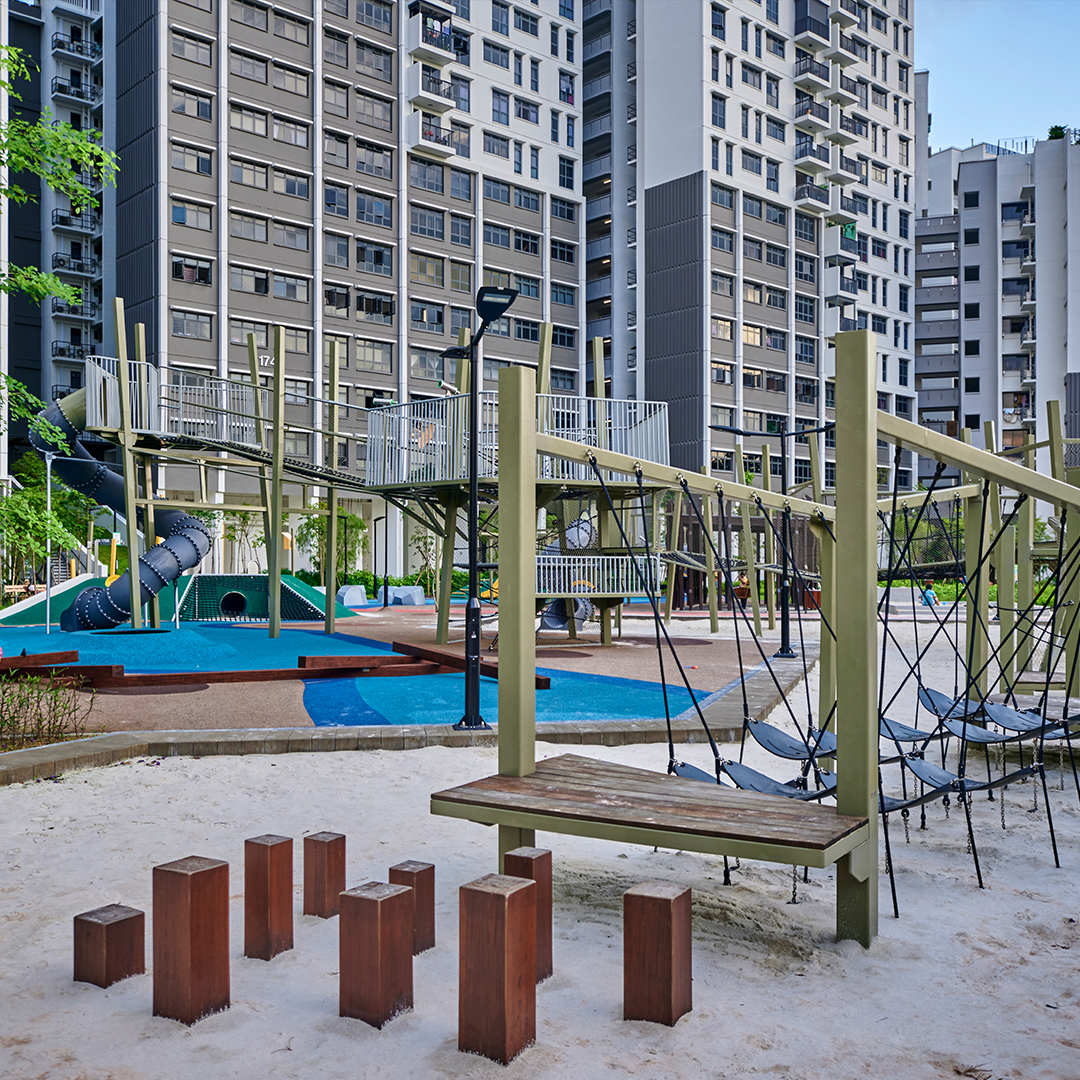
This is why Singapore’s move towards new playground guidelines that prioritise climbing, swinging and unstructured play is a welcomed one. These are timeless play experiences because they give children the freedom to imagine, experiment and engage however they wish.
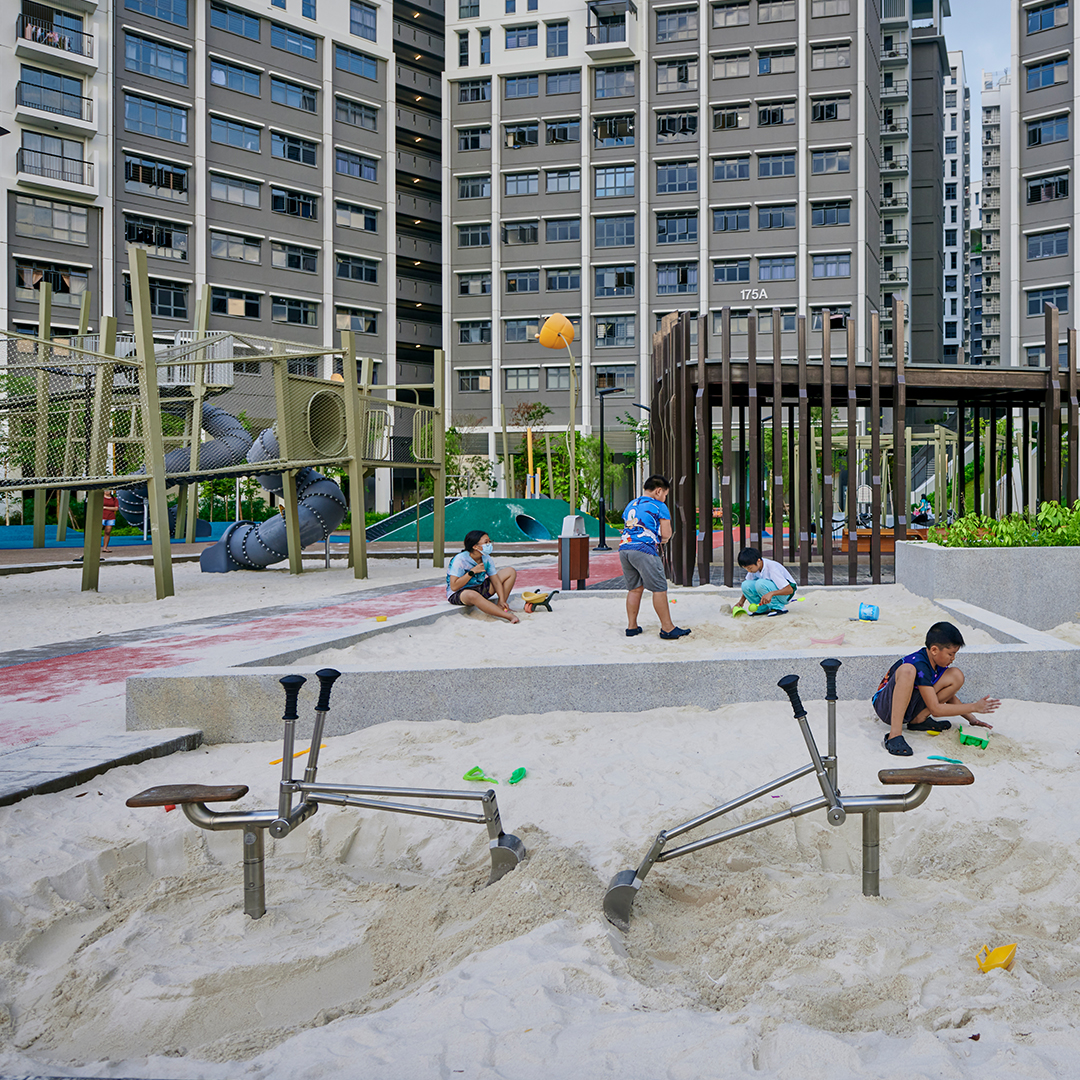
As the article highlights, sand play remains one of the most engaging forms of play because it is essentially a blank canvas. Children can build castles, dig tunnels and create sand dunes. It also teaches something important: not everything they create will last. Sandcastles collapse, tunnels cave in and shapes are constantly reshaped. Through play, children learn to experiment, rebuild and try again.
We have seen this firsthand across a number of projects. At Play @ Heights, sand play sits alongside nature-inspired elements that encourage sensory exploration. At Rivervale Shores’ Land Birds playground, sand play and built-in excavators encourage children to dig, build and shape their own play experiences. At COMO Adventure Grove in the Singapore Botanic Gardens, a large sandpit set within lush greenery taps into children’s natural desire to explore and connect with nature.
While each project is different, they share something in common. That is giving children the freedom to create their own play experience rather than prescribing a single way to play.
Swings operate in much the same way. They continue to be one of the most requested play features because children naturally seek movement, excitement and challenge.
Ultimately, the answer is not aesthetics or play value. The best playgrounds achieve both.
Great playgrounds should be visually compelling, but they must also invite participation. They should excite children to move, explore, imagine and interact naturally. Most importantly, they should be the spaces that children cannot wait to return to.